Canada Aircraft Carriers - This copy is for personal non-commercial use only. To order ready-to-display copies of Toronto Star content to distribute to colleagues, clients or customers, or to inquire about usage/licensing rights, go to: www.TorontoStarReprints.com
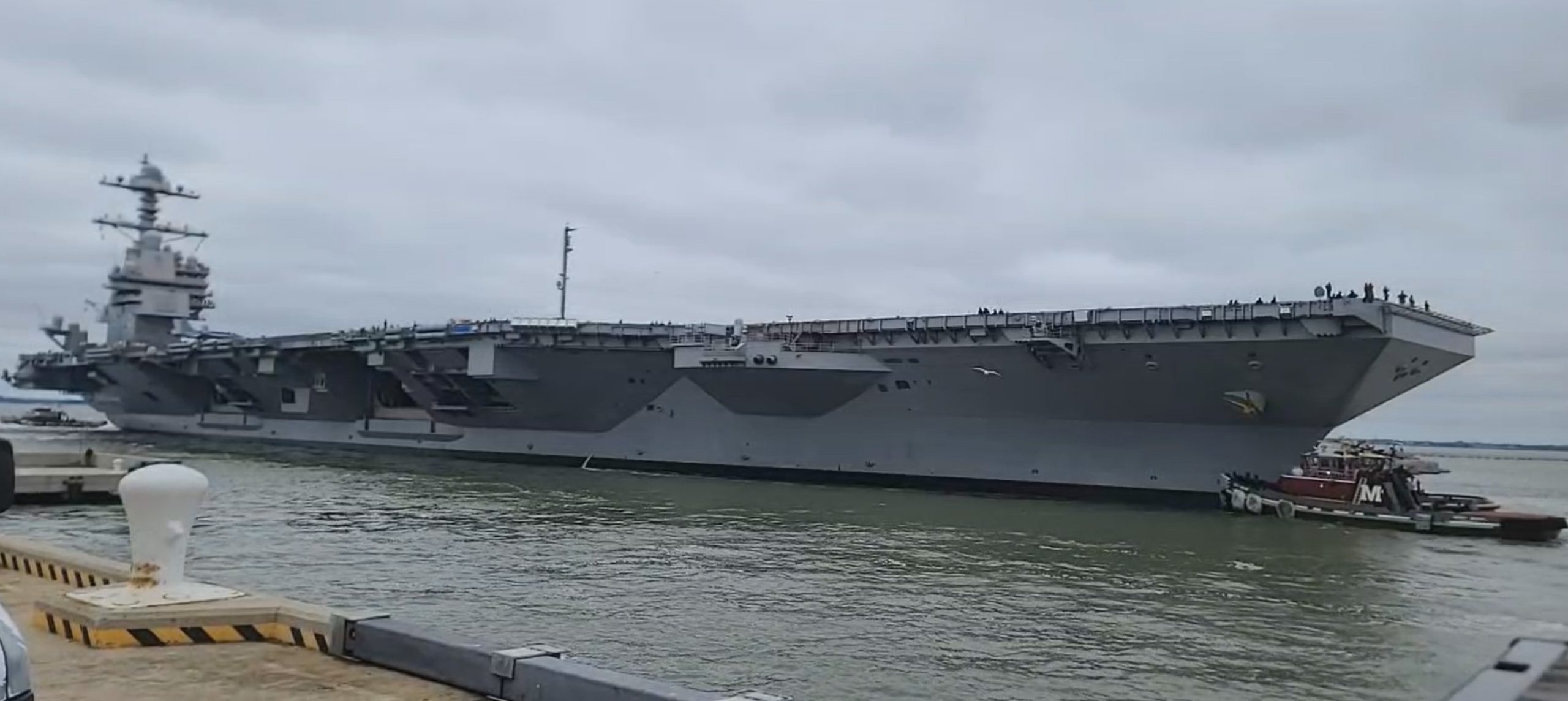
HALIFAX – The US Navy's newest and most modern aircraft carrier arrived in Halifax Harbor this morning.
Canada Aircraft Carriers

The nuclear-powered USS Gerald R. Ford was commissioned for the first time when it sailed from its home port of Norfolk, Virginia. October 4th.
Uss Gerald Ford: Us Navy's Latest And Most Advanced Aircraft Carrier Deploys For First Time
Weighing more than 100,000 tons, the warship has been described as the world's largest aircraft carrier.
Before arriving in Halifax, the ship participated in naval exercises with several NATO allies, including Canada, Spain, Denmark, the Netherlands and Germany.
In Halifax, some of the Ford sailors are expected to participate in several trips and planned events, including volunteering at thrift stores, a food bank, an animal shelter and Habitat for Humanity.
The ship will also host receptions for Halifax community leaders, Royal Canadian Navy sailors and foreign dignitaries.
The Navy's New Carrier Is At Sea For Its First Deployment
"We operated with allies and partners on the high seas," USS Gerald R. Ford Commander Capt. Paul Lanzilotta said in a statement.
"Visiting Halifax will allow us to build even stronger relationships with our teammates, strengthen our partnership and allow our sailors to experience Canada's rich culture and welcoming people."
A U.S. aircraft carrier last visited Halifax in June 2017, when the USS Dwight D. Eisenhower arrived in time for the Canada Day celebration.
Anyone can read the discussion, but you must be a registered Torstar account holder to participate. If you don't have a Torstar account yet, you can create one now (it's free)
Sailors With Wings
Discussions are the opinions of our readers and are subject to our code of conduct. The Star does not endorse these views.
Copyright owned or licensed by Toronto Star Newspapers Limited. All rights reserved. Publication or distribution of this content is expressly prohibited without the prior written consent of Toronto Star Newspapers Limited and/or its licensors. You can order copies of Toronto Star articles at: www.TorontoStarReprints.com HMCS Magnifict (CVL 21) was a Majestic-class light aircraft carrier in service with the Royal Canadian Navy from 1948 to 1957. Originally commissioned by the Royal Navy during World War II, Magnifict purchased the Royal Canadian Navy while awaiting the completion of another aircraft carrier for its needs, and entered service in 1948, replacing the existing HMCS Warrior, which was loaned for two. flight. RN.
Magnifict was commonly called Maggie in Canadian service. In 1956 Canada received HMCS Bonavture and Magnifict returned to the UK in 1956 where she remained in reserve until scrapped in 1965.
The 1942 Light Fleet design was divided into the original t-class Colossus ships, followed by five Majestic-class ships with some design changes to accommodate larger and heavier aircraft. The changes reduced the weight of the gasoline and fuel tanks, bringing them down to 75,000 gallons to compensate for the additional weight caused by the strength of the deck.
Britain Set To Confront China With New Aircraft Carrier
Operating aircraft weighing up to 20,000 pounds (9,100 kg). Other improvements over the Colossus class included larger airlifts (54 x 34 ft, 16 m x 10 m) and improvements to the interior compartments for survival and accommodation purposes.
The ship was 698 feet (212.8 m) long, 80 feet (24.4 m) in beam and 25 feet (7.6 m) in draft.
The ship used steam from four three-drum Admiralty boilers. This powered two Parson geared steam turbines driving two shafts producing 40,000 shaft horsepower (30,000 kW).
The Majestic class carriers were equipped with Type 281, Type 293 and two Type 277 radar installations. There were 1,100 on board, including the air group.
Biggest Badass' Warship In The World Moors Off The South Coast
The third ship of the Majestic class, Magnifict, was ordered on 16 October 1942. The order was awarded to Harland and Wolff, Belfast, who also built the Colossus Glory and Warrior class ships.
Magnifict was laid down on 29 July 1943 at yard number 1228 and launched on 16 November 1944.
The Magnifict used both fixed and rotary wing aircraft. In preparation for her entry into the Royal Canadian Navy, the two squadrons previously assigned to Warrior, 803 and 825, were designated as the 19th Air Group and received Sea Furies and Firefly IV aircraft. 883 (Fighter) and 826 (Torpedo Bomber/Reconnaissance) Squadrons were reactivated to form the 18th Airlift Group. Seafires and older model Fireflies started.
In 1950, the Canadian government purchased 75 Grumman TBF Avgers from the US Navy for use in the Magnifict. They were to replace the Fireflies in 825 and 826 squadrons.
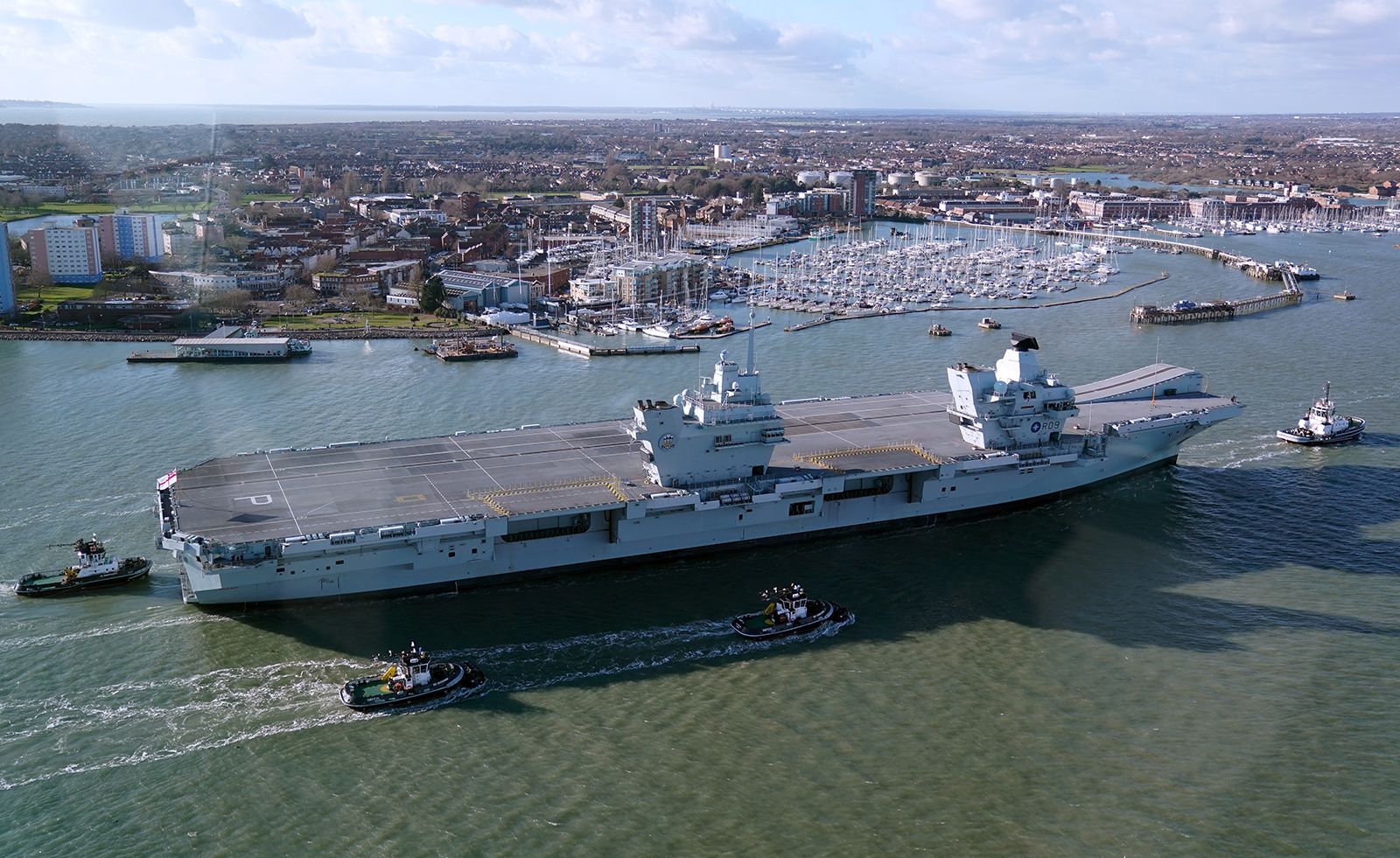
Hms Queen Elizabeth Departs Portsmouth For First Workout Since Global Mission
In May 1951 the squadrons were freed up with 18 squadrons becoming 30 squadrons, 883 squadrons becoming 871 squadrons and 826 squadrons becoming 881 squadrons. 19 Air Group became 31 (Support) Air Group and its squadrons from 803 and 825 to 870 and 880.
In 1955 the RCN purchased Sikorsky H04S helicopters and fitted them with sonar. The first squadron, HS-50, boarded the Magnifict in July 1955.
In September 1955, the Canadian Navy began using US Navy-style designations for its aviation units. VF-871 consisted of Sea Furies and VS-881 Avgers. In February 1956, Magnifict launched another helicopter unit, the HU-21.
In May 1944, the Royal Canadian Navy (RCN) planned to expand its fleet to the size of the ships if it were to play a larger role in the Pacific theatre.
A Series Of Glitches Shows How Difficult It Can Be To Keep The Plane On Aircraft Carriers
In October, the RCN offered to exchange the US RCN-operated escorts, the operational Puncher and the heavily damaged (not returned to service) Nabob, with the aim of acquiring larger aircraft carriers from the Royal Navy.
The six Majestic-class ships were considered surplus to the Royal Navy's plans, and the three longest under construction were offered for lease.
In January 1945 the RCN negotiated the lease of two ships, Warrior (Colossus class) and Magnifict, with an option to purchase later.
Because the Warrior was almost complete and was hastily built to serve in the Pacific theater rather than operate in cold climates,
Monday Will See Us's Most Sophisticated Aircraft Carrier Deployed To The Atlantic
She was the first of the two to be transferred to the RCN and commissioned as HMCS battleship on 24 January 1946. She officially joined Canada's Atlantic Fleet on 23 March.
But it required additional work to correct construction defects. The ship experienced problems with her unheated equipment while operating in the cold waters of the North Atlantic off eastern Canada in 1946 and was transferred to the Canadian Pacific Fleet arriving at Esquimalt, British Columbia in December 1946. Refit in January 1947, the RCN studied the overall effect of the restrictions equipment and crews and brought about that it could not operate two aircraft carriers. Negotiations for Warrior's return began when Magnifict was completed and the RCN deemed Warrior inoperable due to a lack of heating. As the Magnifict was still under construction, all preparations were made for her to operate in a fully cold climate. The ship was commissioned into the Royal Canadian Navy on 21 March 1948,
And Warrior was decommissioned two days later as an RCN vessel and returned to the RN, who commissioned her a few months later.

Arriving in Halifax on 1 June 1948, Magnifict completed the work. He lost two planes during the job.
Majestic Class Aircraft Carrier
Along with the destroyers Nootka and Haida, the aircraft carrier departed for a training cruise to the top of Ungava, Quebec, and docked at Wakeham Bay, Quebec. From there, the two destroyers left the carrier and circled north, becoming the first RCN warships to enter Hudson Bay.
In January 1949, Magnifict sailed for the UK to begin Firefly Vs, replacing 825 Squadron's Firefly IVs. After the carrier's return, the 825th Squadron was disembarked at Dartmouth, Nova Scotia, and the 803rd, 883rd, and 826th Squadrons embarked on a training cruise to the Caribbean.
On March 20, 1949, 32 Magnifict pilots briefly refused orders to report to morning cleaning stations to protest various grievances. The captain acted very sensitively to defuse the crisis, holding informal discussions with disgruntled crew members and being careful to use the term "incident" instead of "mutiny", which could have led to serious legal consequences for the handlers.
At about the same time, similar incidents occurred on the Crescti, Nanjing, China, and the Athabaskan, Manzanillo, Colima, Mexico, both of whose captains acted in the same manner as the captains of the Magnifict.
American Carrier Strike Groups In Philippine Sea Ahead Of Rimpac 2022
In June 1949, after an incident in the Caribbean, she ran aground off Port Mouton, Nova Scotia. With the help of destroyers, Maggie was raised and taken to Saint John for repairs.
At the outbreak of the Korean War, Magnifict was denied service in that theater on the grounds that she was already committed to NATO duties.
In September 1952 the aircraft took part in the major NATO exercise Mainbrace and again in 1953 as part of exercise "Mariner".

16 aircraft (8 Sea Furies and 8 Avgers) took part in the flyover. In March 1954 Maggie underwent repairs at Portsmouth.
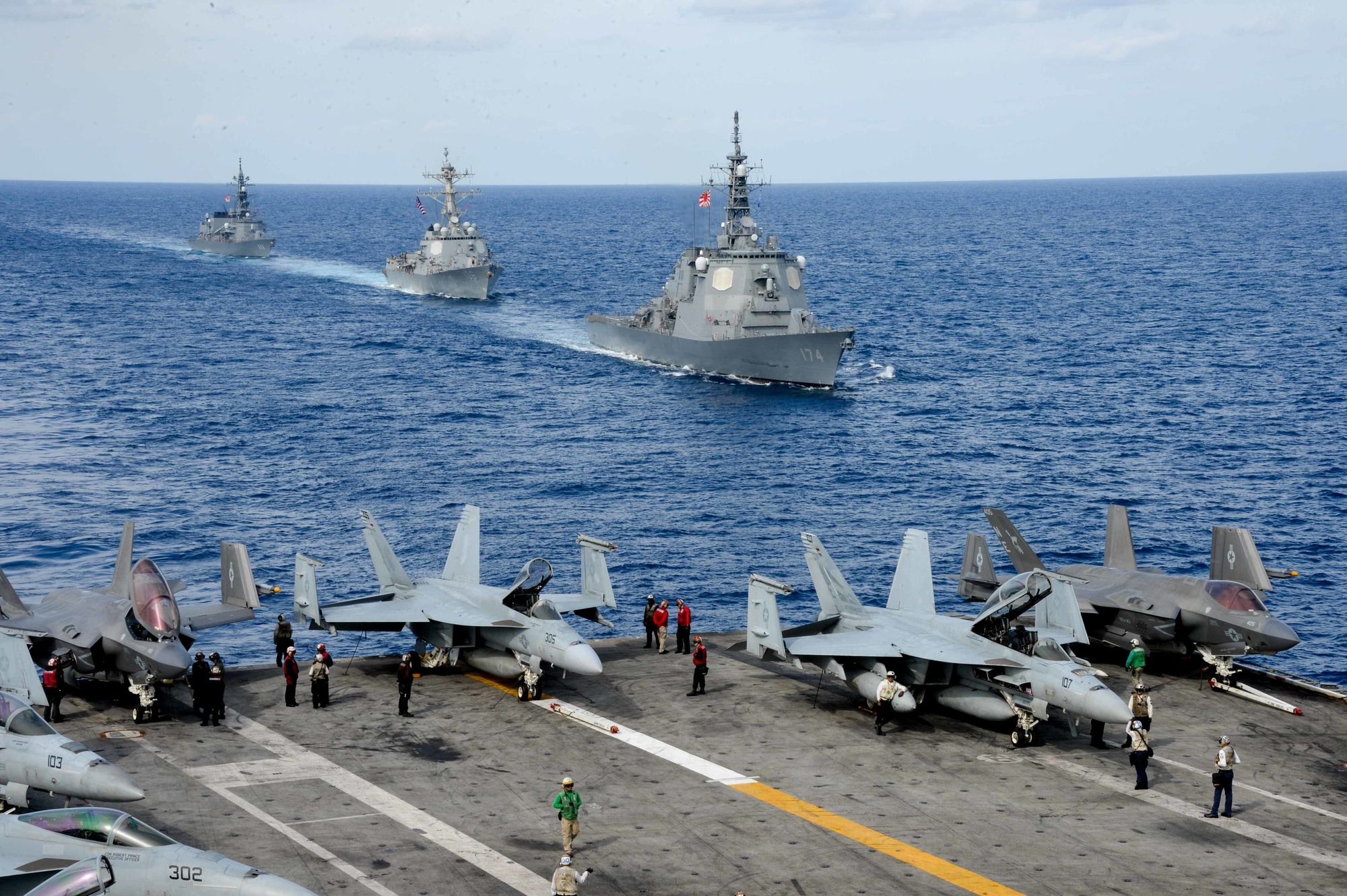
File:us Navy 100724 N 9500t 242 The Nimitz Class Aircraft Carrier Uss Ronald Reagan Leads A Formation Of Ships From Korea, Taiwan, Japan, Singapore, France, Canada, Australia And The U.s.jpg
In 1955 Magnifict set sail
Experimental aircraft, experimental ifr, ifr aircraft requirements, aircraft ifr certification requirements, ifr gps for experimental aircraft, ifr aircraft, experimental aircraft association fly in, fly ifr, ifr certified aircraft, garmin experimental ifr panel, best ifr training aircraft, ifr requirements for aircraft

0 Comments