Artillery Plant Origin - Armor plant is suitable for sunny to semi-shaded areas with morning, evening and winter sun. If the window distance is at least 50 cm, it tolerates the hot summer sun.
The soil should always be moist, but not wet. Before watering, let it dry to about 80% of the height of the pot.
Artillery Plant Origin

If Pilea glauca is cool in winter, it needs less water than in the hot summer weeks.
Pilea Microphylla, Pilea Serpyllacea, Artillery Plant, Gunpowder Plant
Feeding from spring to autumn can be done with liquid or long-term fertilizers such as wood, granules or pellets. Liquid fertilizer can be given every 4 to 8 in spring and summer in the form of wood, granules or pellets. A newly purchased artichoke plant does not need to be fed for the first year.
Pilea glauca can be grown at room temperature throughout the year. However, it can also be grown in subtropical climates at temperatures between 10 and 15 °C (50 and 59 °F).
Growing gluca sacs from cuttings is easy. At 20-25°C (68-77°F) the first roots appear after 10 days. The length of each cutting should be at least one centimeter. They put them down and suppress them.
To prevent small cuttings from drying out, it is better to cover the pot with a freezer bag or glass. Please ventilate daily to prevent mold growth.
The Worst Picnic In History Was Interrupted By A War
The plant shown here is sold under the plant names Pilea glauca and Pilea libanensis. Both names seem invalid, so I cannot give any information about the origin of this species. Pilea microphylla is a beautiful plant from the nettle family. This plant is used by gardeners and plant lovers because of its aesthetic qualities and ability to cover any open ground. Cultivation and propagation of Pilea microphylla is easy. Read on to find out how it works.
Other names of Pilea microphylla include Rockweed, Artillery plant, frescura plant and Gunpowder plant. Depending on the type and location, this green mat-like plant can live for one year (as an annual) or several years (as a short-lived).
Some of the natural habitats of Pilea microphylla are Florida, Mexico, West Indies, Central and South America. The use of Pilea microphylla as an ornamental plant increased its popularity worldwide, and now gardeners and enthusiasts are far from its natural habitat.
/cloudfront-us-east-1.images.arcpublishing.com/gray/PUZ5P5WJCBBYZOBAVTAYFUNTPM.jpg "Artillery Plant Origin")
Everything about Pilea microphylla is very small. Its fruits, leaves and flowers are all small. What can you use such a plant for?
As Ukraine Counterattacks, Russia's Military Facing Steep Artillery, Resupply Challenges
Pilea microphylla is useful, so if you want a multi-purpose plant, you should grow it. Need tips? Continue reading.
First of all, you should know that the methods of planting Pilea microphylla can be slightly different according to the type and location. The following care tips are a general care guide for Pilea microphylla, but as you continue to grow your plant, you will likely become accustomed to what works best for you and your plant.
You can start your Pilea microphylla from seeds, seedlings or cuttings. If you are growing Pilea microphylla for the first time, you should use seedlings because they grow and are easy to start with.
You can get your Pilea microphylla from nurseries. You can get seeds from garden stores. For cuttings, you can get from other Pilea microphylla plants.
Amazon.com: Buyenlarge Von Clausewitz
If you buy Pilea microphylla seedlings, you do not need to prepare another pot or potting mix at this time. Just put them in a good spot, water them, and watch them grow. To get started with Pilea microphylla seeds, follow these tips:
You should start your Pilea microphylla in March. With greenhouse plants, you can start whenever you want, as long as you keep your plants at the right temperature.
The ideal growing temperature for Pilea microphylla is 65°F to 75°F (15°C to 23°C). Frost kills microphylla easily, so the lowest temperature for this plant to grow is 50°F (10°C).
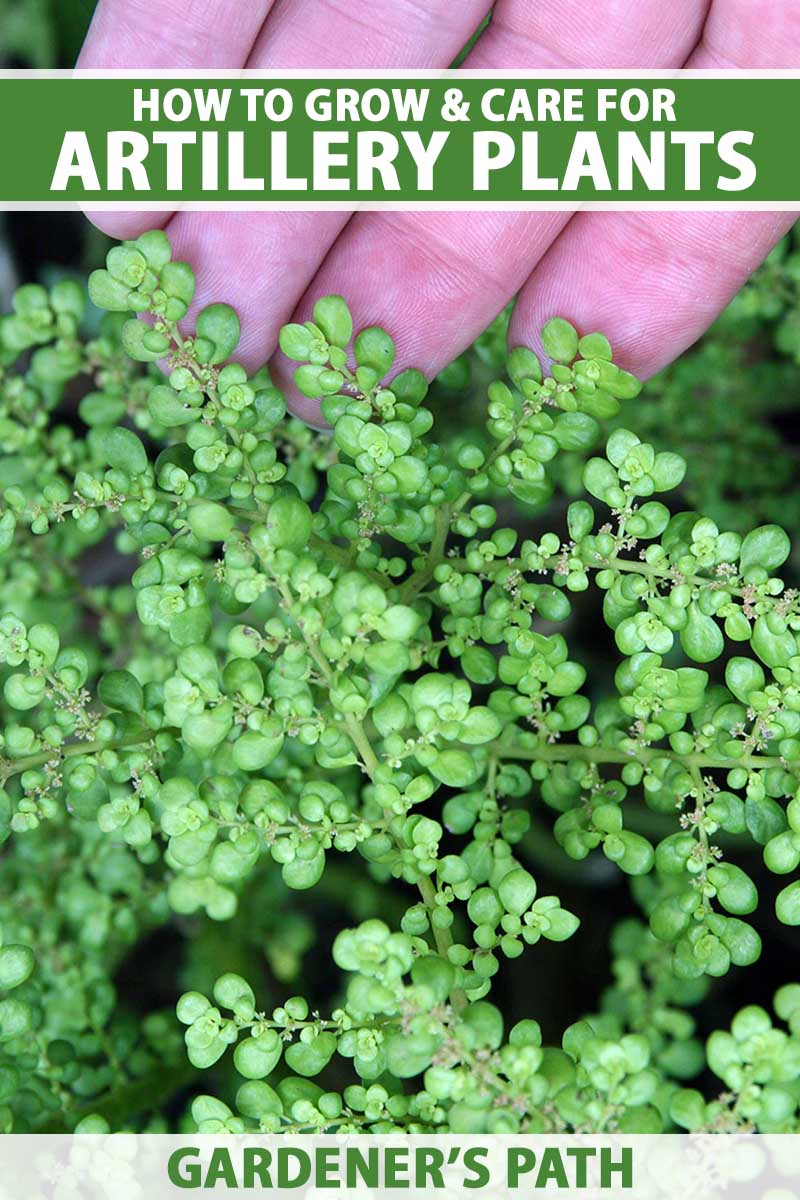
Regarding light, cannonball plants need bright but filtered light. You should give your plant full morning sun, but filter the afternoon light. Pilea microphylla is best planted in the eastern parts of the house or under a large object such as a tree.
Tips & Information About Pilea Plants
You should water your herb plants regularly during the growing season (spring and summer). Do not drink water in autumn when it is raining or cold. Pilea microphylla likes a high humidity environment, so you can dust your plant regularly.
Pilea microphylla does not require expensive fertilizers. A general liquid fertilizer for indoor plants is all that is needed. Fertilize your microphylla by sprinkling boiled compost on the leaves. Fertilize the plant twice a month during the growing season.
To keep the leaves of Pilea microphylla looking like a bush mat, you need to regularly cut the tips of the branches and stems. When you cut the stem, two or more branches will grow from that point, making it a bush.
The best method to use depends on what you want. But the best method of reproduction is through seeds.
Pilea Microphylla (artillery Plant, Pilea Mucosa)
Growing and propagating microphylla is very easy, but you may encounter minor problems. Here are some problems you may encounter when growing cocoon microphylla and how to fix them:
Pilea microphylla likes high humidity, moist environment. However, this makes it susceptible to bacteria and other harmful germs. If you get spots on the leaves, your plant may be infected.
You need to remove the branch where there are spots and amend your soil. If you plant microphylla in a pot, you can cook the pot. For outdoor plants, you should amend the soil with antibacterial products from the garden store.
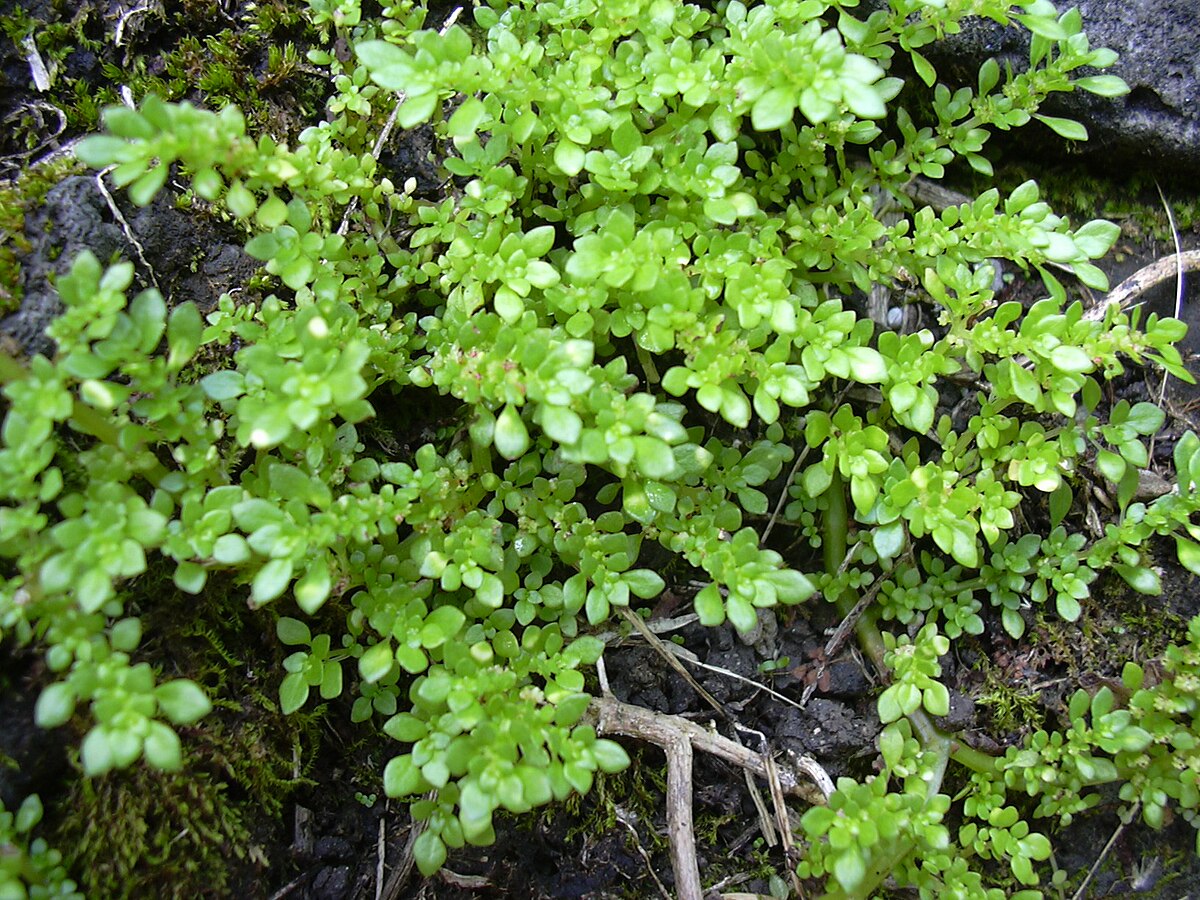
Another reason you can see spots on the leaves of microphylla is the high level of organic fertilizers. If your Pilea microphylla has been over-fertilized with organic fertilizers such as animal manure, the leaves may appear scorched. In this case, you should wash the plant and the soil with water.
How To Grow And Care For An Artillery Plant Indoors
In wet soil, your Pilea microphylla can be attacked by fungi. If this happens, the stems and roots of your plant will begin to rot. If you see weak brown leaves, your plant has stem and root rot. You should remove the plant from the soil, cut off the roots and dead branches, and then plant it in a well-drained soil. Pilea microphylla likes moisture but does not like wet soil.
Many hobbyists grow microphylla because of its mat-like appearance. Sometimes, your plant can grow in a certain direction and not look like a mat. To fix this problem, you should turn the pot two or three times a week.
Pilea microphylla grows towards the sun and will look crooked if planted in a place that does not get enough sunlight. You should also remember to prune the tips of the trunk and branches of your plant so that they look bushy and wide.
When the leaves of your Pilea microphylla look yellow or pale, the plant needs more light. In the absence of light, the green leaves of your art plant will turn pale. You should change the location of the pot to a new place that faces direct sunlight for at least four hours.
Pilea Microphylla: Everything To Know About Artillery Plants
For indoor plants, you should place a pot of potted plants near the south window of your home.
Look carefully at the white spots. If they look like powdery clumps, you need to check the water you use when watering your Pilea microphylla. Pile microfilaria need dechlorinated water without minerals.
If you use tap water to water your Pilea microphylla, you should put the water in a container and wait at least six hours for the chlorine and other minerals in the water to settle at the bottom of the container. After six hours, water your Pilea microphylla with the level of water in the container.

Do not use the bottom layer of water in the container to water your plants. The best practice is to keep tap water in the container overnight before watering the Pilea microphylla with it.
Creeping St. John's Wort (hypericum Calycinum) Flower, Leaf, Care, Uses
Do you propagate your Pilea microphylla by cuttings? You can see that the cuttings are withering and not growing. Microphylla cuttings do not grow without growing roots.
You should stimulate root growth by purchasing a rooting hormone at any garden store. If you don't feel comfortable using rooting hormone, you should put the cutting in a glass of water for seven to 10 days and wait to see the roots grow before planting it in a pot.
If you're looking for gardening help, you've come to the right place! We love gardening and want to share this love with you. Join our vibrant gardening community.
Is a participant in the Amazon Services LLC Affiliate Program, an affiliate advertising program designed to provide a means for websites to earn advertising fees by advertising and linking to amazon.com, amazon.co.uk, amazon.ca, amazon.it or Amazon has been created. .com
Nuclear Energy Brinkmanship In Ukraine
© All Rights Reserved - - Evergreen Seeds is a participant in the Amazon Services LLC Affiliate Program, an affiliate advertising program. See more here. This tropical species grows outdoors all year round
Military drone range, laser range finder military, military range bags, military range targets, long range military radio, military radio range, military range finder, military long range binoculars, range rover military discount, military range rover, range of military drones, military range bag

0 Comments